The problem
The solution
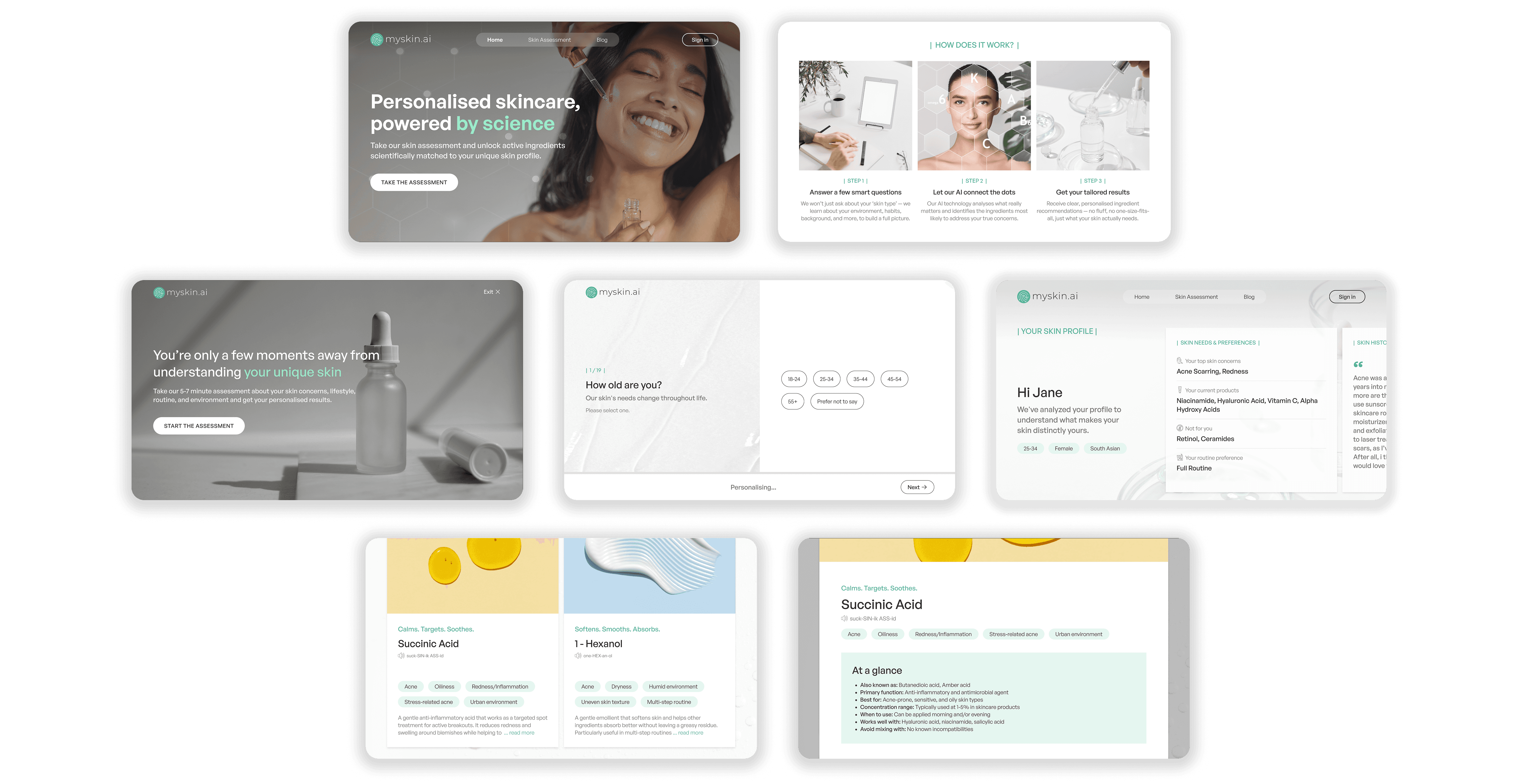
Working with Dr. Sola, we created MySkin.ai—an AI-powered skincare assessment that treats users as experts on their own skin.
The tool acknowledges their expertise and experiences through comprehensive questioning, provides a personalised dashboard that reflects their unique journey, and delivers ingredient recommendations backed by scientific explanations. Rather than categorising users into generic buckets, we built an experience that makes people feel genuinely heard and understood.
THE 5-MINUTE VERSION
DISCOVERING THE WHO, WHAT, WHY
Most skincare brands now offer "personalised" diagnostic tools through photo-based analysis or question-based assessments. I analysed 6 of these experiences to understand how the industry was approaching personalisation.
Photo-based tools
e.g. Lancôme’, L’Oréal, Garnier
👍
Provides an 'objective' skin score based on metrics like wrinkles and pores
👎
Ignores crucial contextual factors like lifestyle and environment that impact skin
Question-based tools
e.g. The INKEY List, CeraVe
👍
Captures user-reported information about skin type and concerns
👎
Questions seem surface level, simply funnelling users toward existing products
Personalised formula
e.g. Skin+Me, Proven, Curology
👍
Offers more in-depth questioning covering lifestyle, medical history, and environmental factors
👎
Formulations lack clear explanation behind why they were recommended
THE OPPORTUNITY
There is clear space for a tool that provides genuine personalisation by considering the full context of an individual's skin reality.
Uncovering what personalisation means to users
I conducted interviews with 7 participants across different ethnicities, ages, genders, and skincare knowledge levels to understand their relationship with their skin and the skincare landscape. What emerged were some tensions between what users have and what they want.
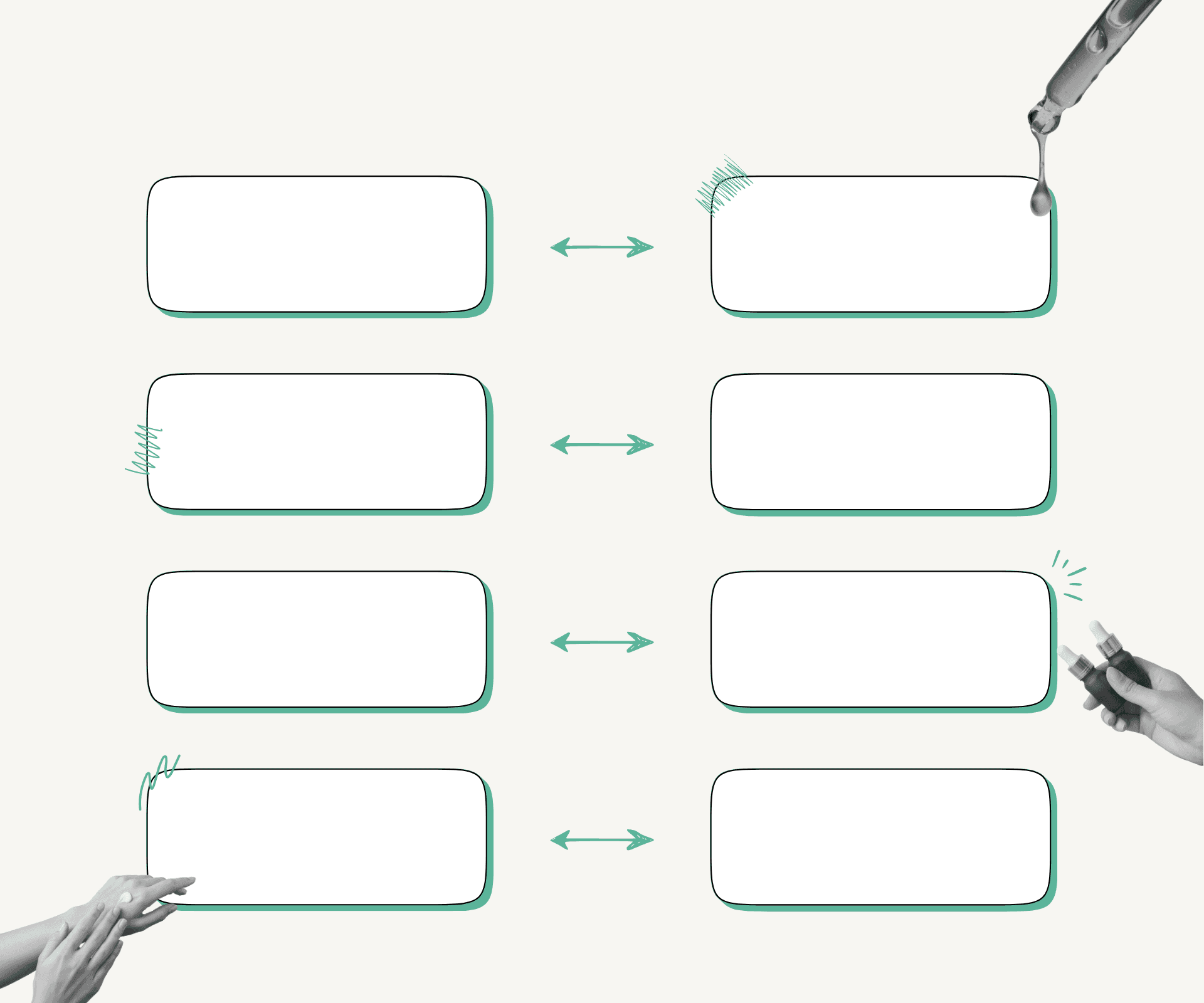
This revealed a fundamental shift in how we needed to approach personalisation—from solving for users to solving with them, and from instructing users to empowering them.
Many users are experts on their own skin who come with years of experience and valuable knowledge that needs to be acknowledged.
DEFINING THE PROBLEM
Zeroing in on the problem
Talking to users helped cement who we were designing for—people who understand their skin and have built up valuable knowledge through their personal skincare journey.

i want a routine that matches my specific skin needs - my skin type, my lifestyle, and my environment
Curious
Self-aware
Experimental
Results-driven
Tech-savvy
Skincare veteran with years of experience and experimentation

i'm tired of this endless cycle of trial and error with my skin

Overwhelmed by contradictory information and advice on skincare
Want personalised guidance for their specific context
How might we help skincare users discover and manage routines that truly reflect their unique skin, lifestyle, environment and lived experience?
IDEATING THE SOLUTION
From insights to features
The research revealed three critical user needs that shaped our key features. At its core, all three needs centered around one fundamental principle: users aren't beginners. They come with valuable knowledge and lived experiences with their skin and should be treated as such.
1.
Users wanted tools that understood their complete reality—skin concerns, lifestyle, environment, ethnicity etc.

Comprehensive skin assessment that goes far beyond basic skin type questions
2.
Users needed to feel like their their journey and experience with their skin were understood, not dismissed.

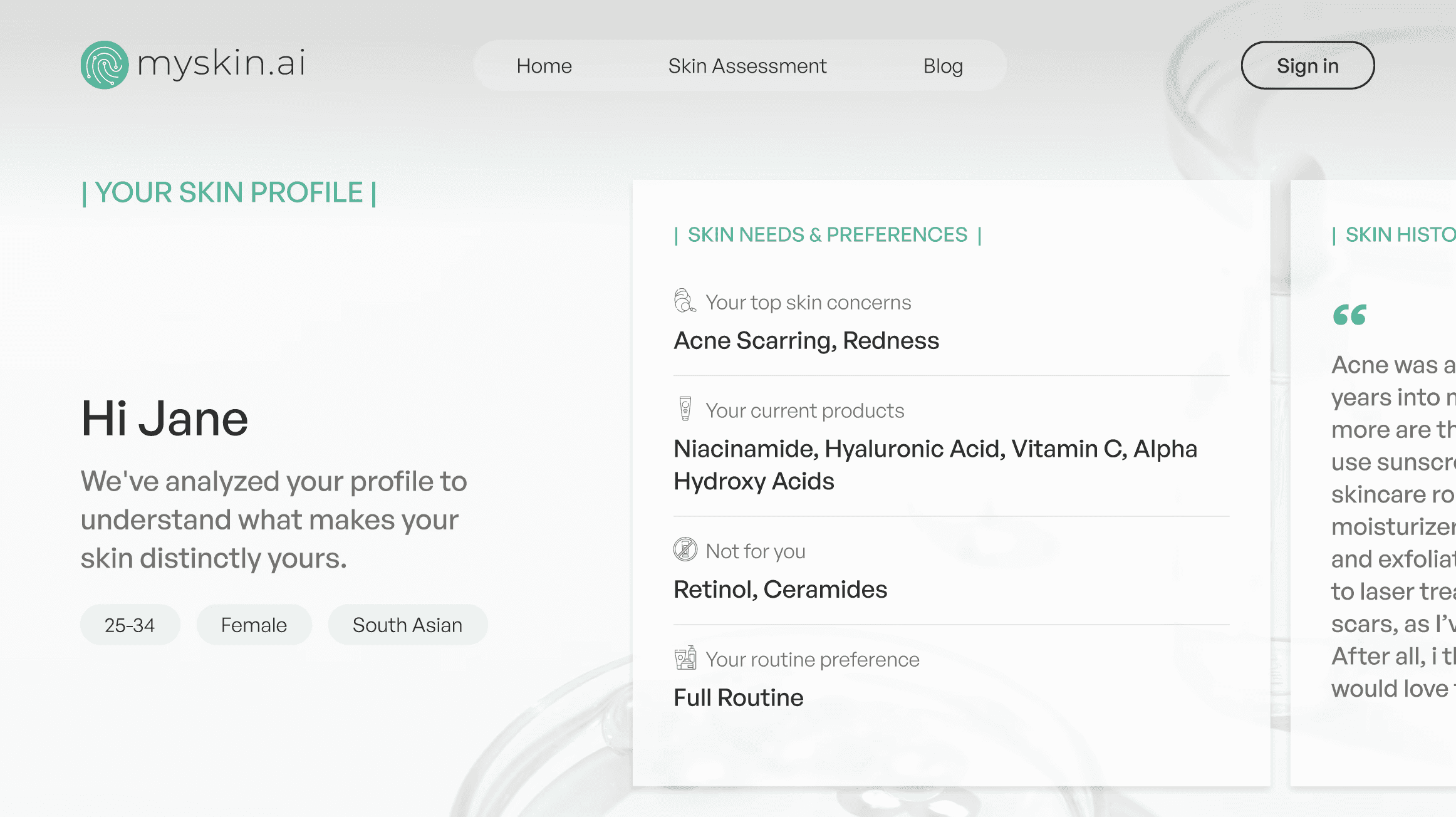
Personalised dashboard that summarises each user's unique skin story
3.
Users don't simply want to be told what to do, they want to feel empowered and educated about their skin

AI-powered personalised recommendation engine
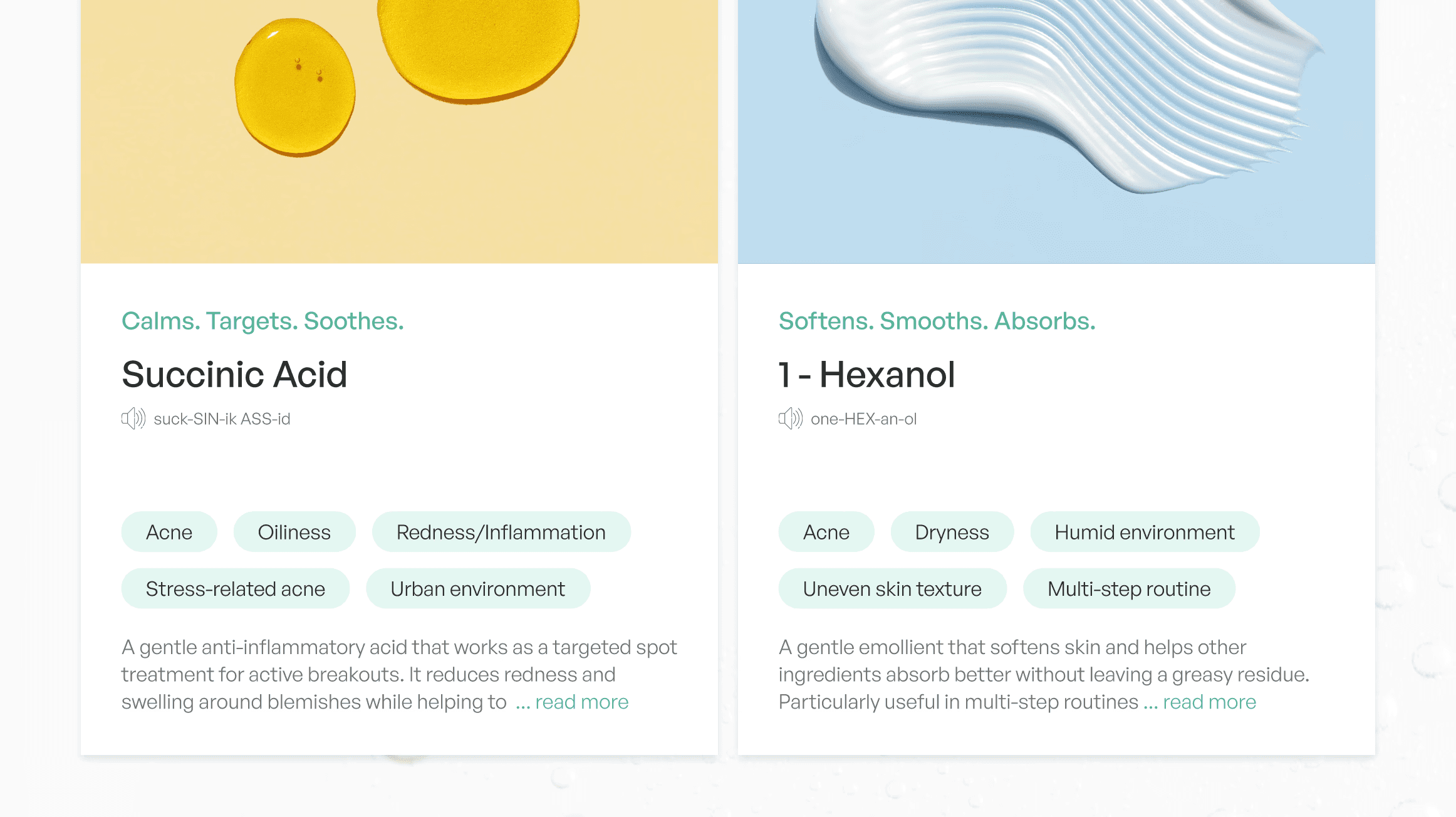
Scientific explanation connecting user inputs to recommended ingredients
Balancing science with user experience
The user flow itself was straightforward: skin assessment —> personalised dashboard —> personalised recommendations. But the real challenge was crafting the questions themselves.
Dr. Sola came from a rigorous scientific background and had certain requirements to build the recommendation engine. However, we were ultimately building a consumer product. A fine balance had to be struck between scientific accuracy and user-friendliness.
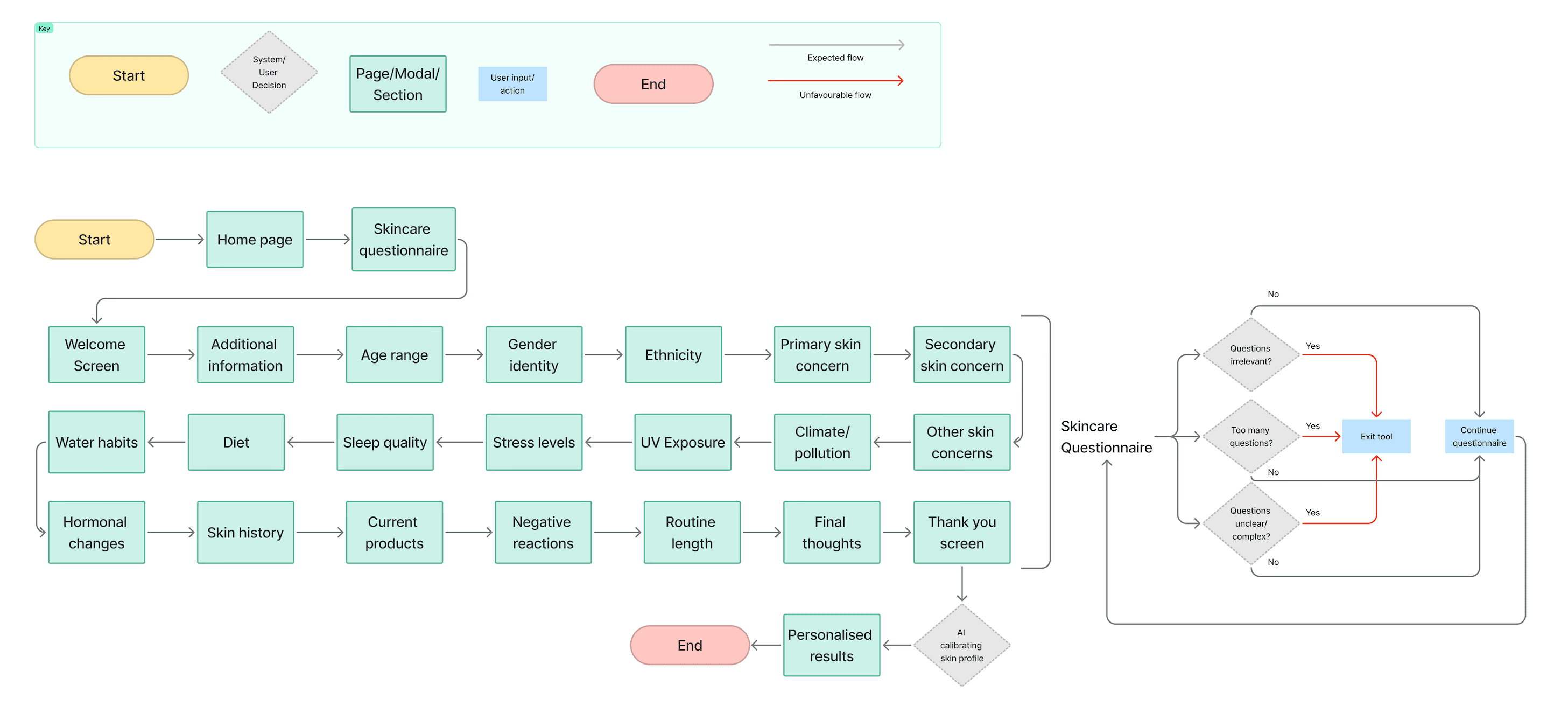
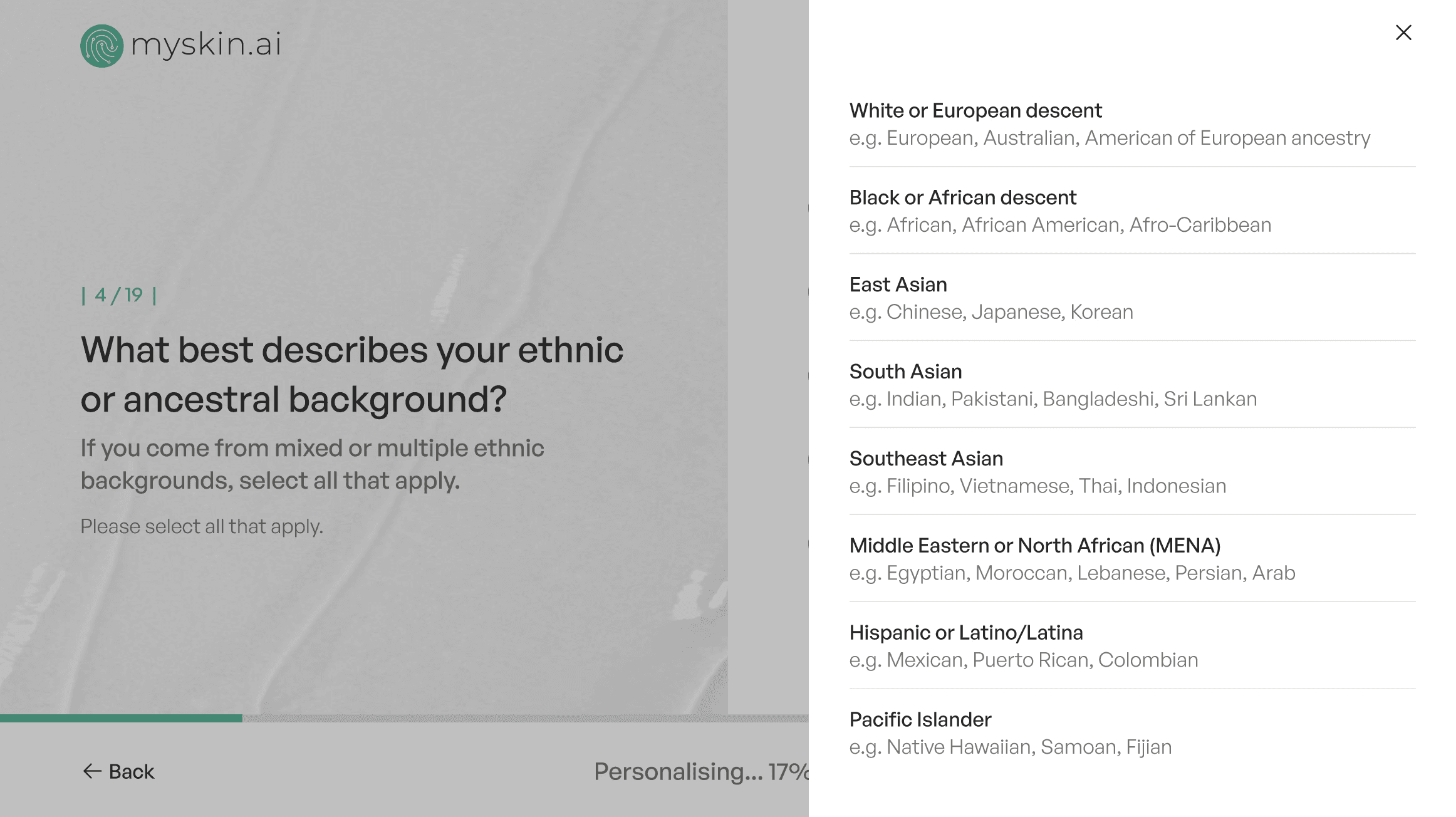
Since the core experience would be the assessment questions, I built the questions as a simple survey and tested them directly with users. While some feedback addressed question clarity and answer options, the most important insights focused on ensuring sensitive questions (e.g. ethnicity, gender, hormones) were framed inclusively. Using this feedback, Dr. Sola and I refined the questions and built the final assessment flow.
The key challenge lay in translating complex scientific requirements into accessible questions without dismissing users' existing knowledge and experience.
DESIGNING THE EXPERIENCE
Building an identity that respects agency
Starting from scratch meant creating the entire brand identity — from deciding the name to designing the logo. All design decisions around one core principle: acknowledging the user as a unique individual with agency.
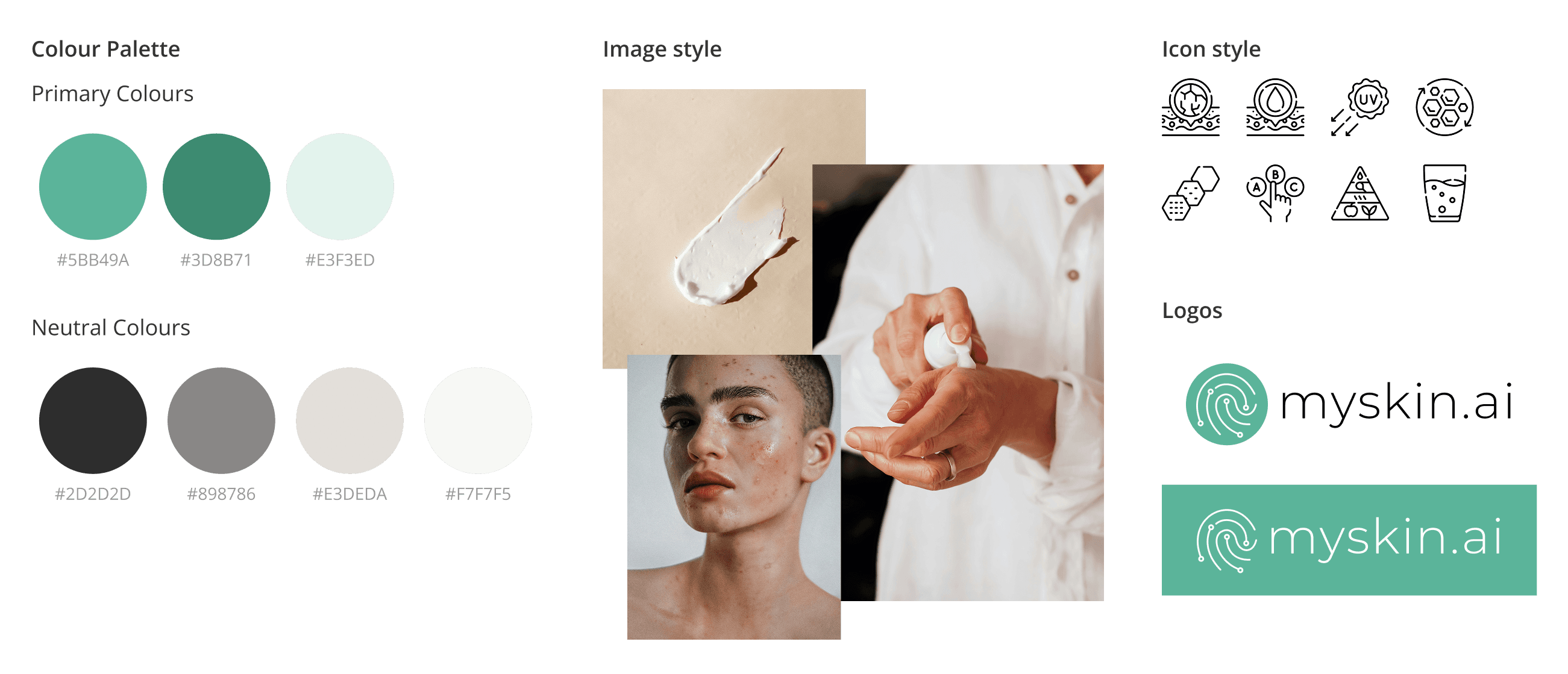
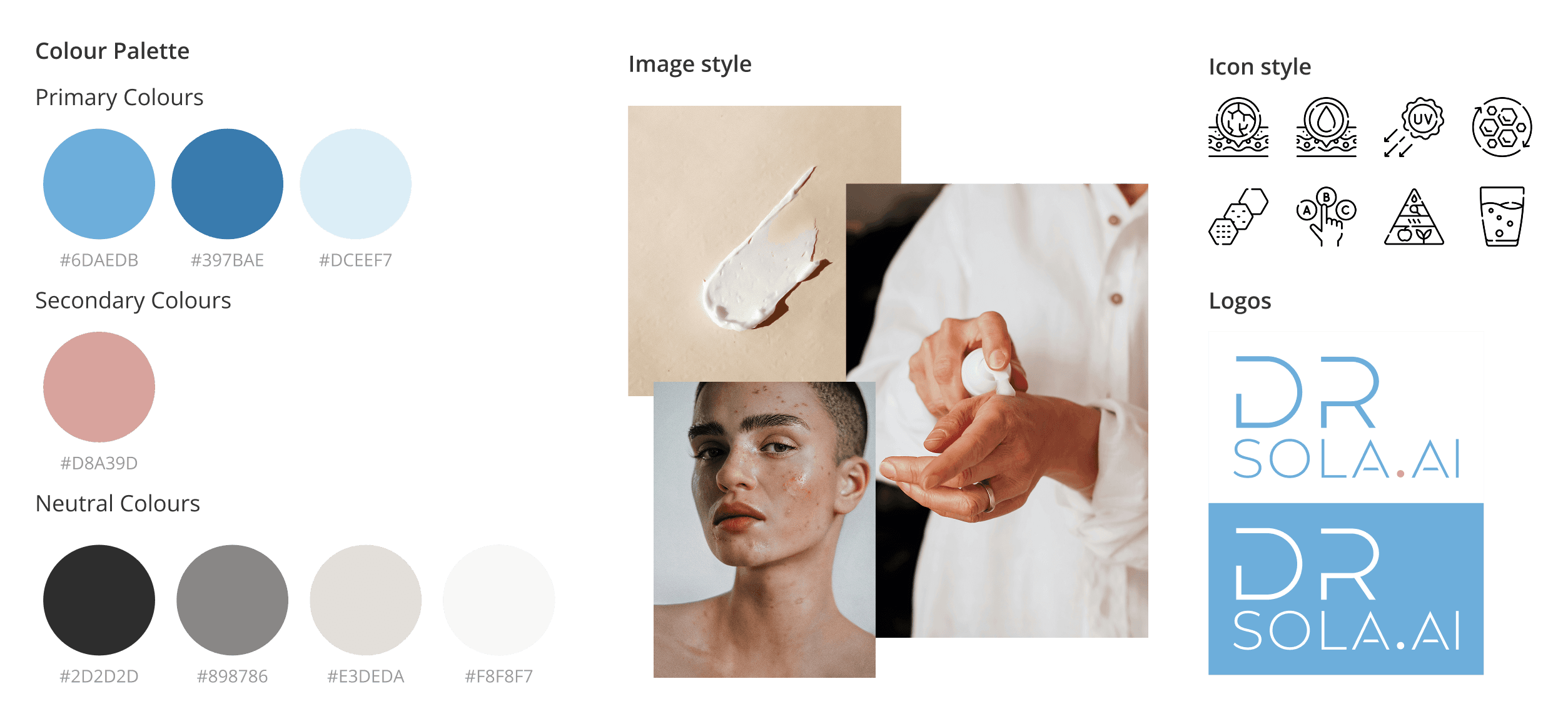
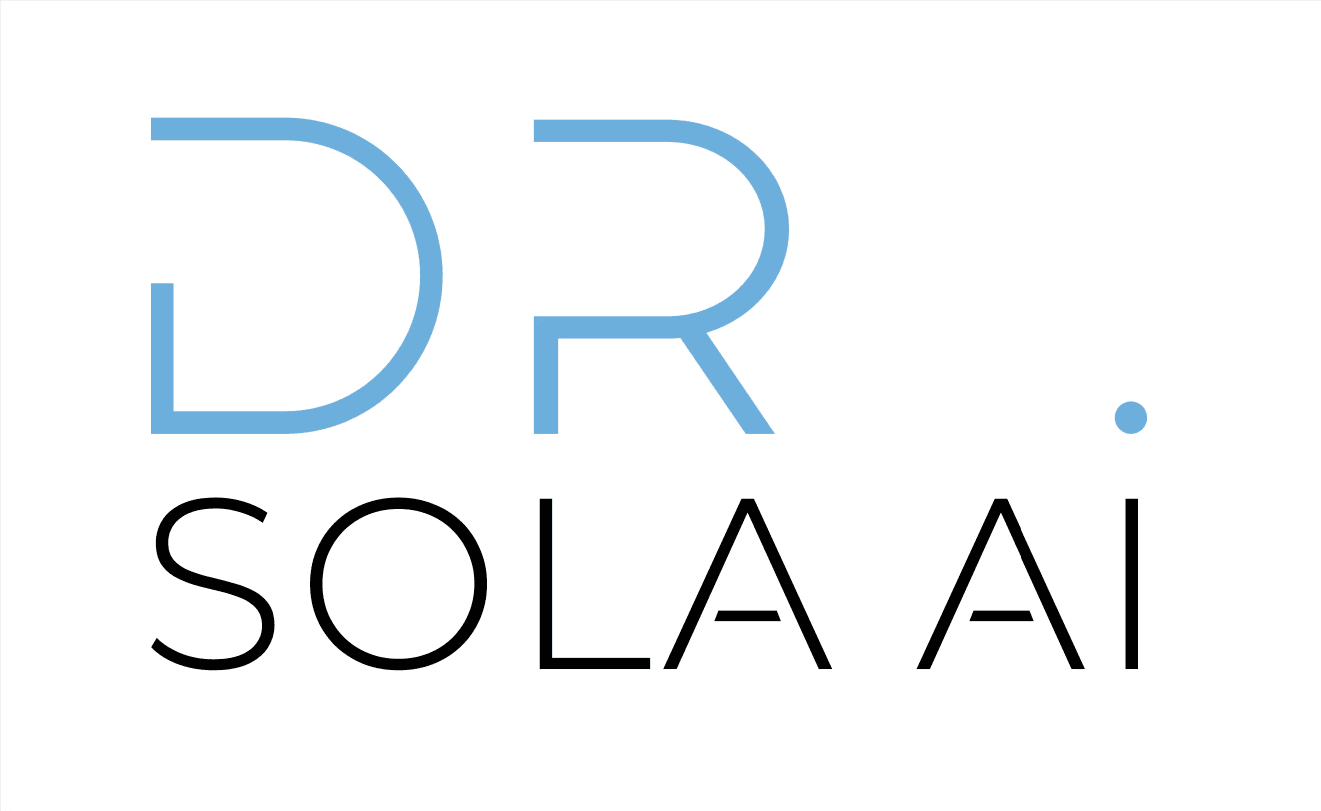
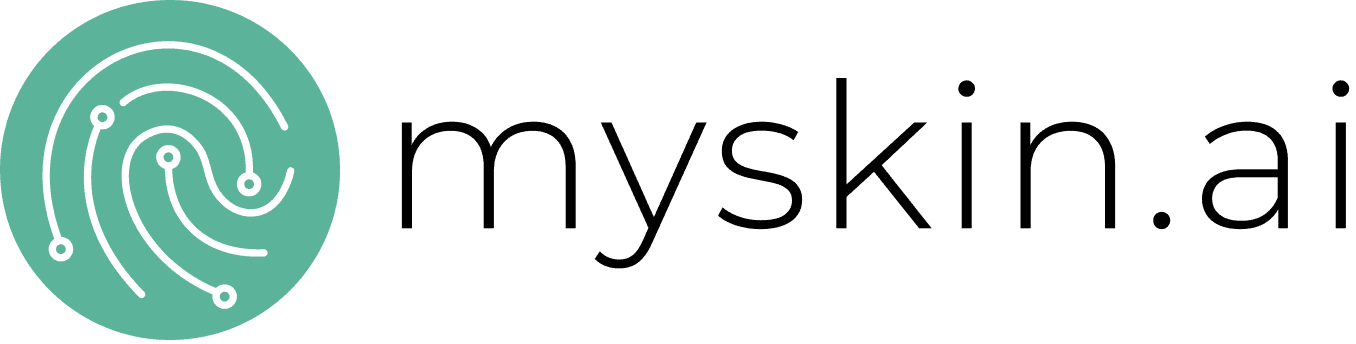
Old name focused on the expert rather than the individual - could undermine user agency
Old colour palette felt too similar to other brands in the market
New green palette evokes feelings of nature, balance, healing
New name reinforces user ownership and agency over their skin
Fingerprint represents individual uniqueness while circuit pattern represents AI technology
Every design decision needed to reinforce user agency, from the name choice to the logo symbolism, to counteract their frustration with dismissive products/professionals.
TESTING AND ITERATING
Mimicking the natural experience
For high-fidelity testing, I chose unmoderated testing via Maze with 10 skincare users. Based on previous experience, I believed that users rushed more through tasks when being observed, and I wanted them to go through the experience naturally.
Results were extremely positive—feedback showed that users genuinely felt understood, educated, and empowered.




While the overall scores were positive, trust was a key area that needed improvement. Some of the assessment questions also needed further clarity and refinement.
1.
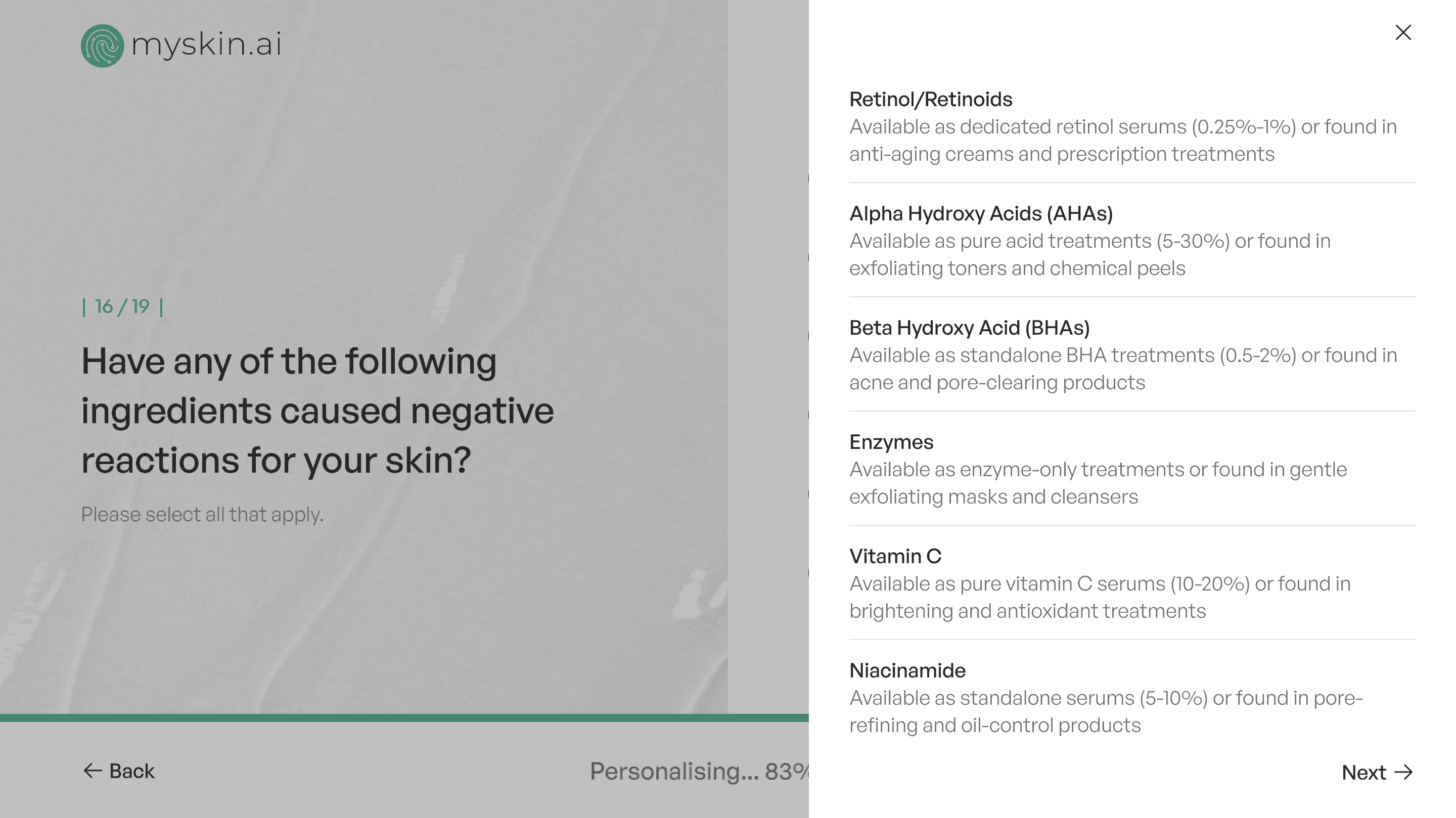
Users were asked to identify which active ingredients were in their skincare routine. Less experienced users struggled to provide accurate responses, finding the question too technical.
A
B

A
A "Need help answering?" button was added with the aim of providing more information.
B
Button opens a modal that provides information about where these ingredients are commonly found in skincare products, making it easier to identify.
2.
Users were asked about their eating habits. However, the answer options implied frequency e.g. “I consume alcohol frequently,” which excluded those who consumed items more/less often.
A
B

A
Reframed the question to "Which of the following are regularly included in your diet?", making it clear what 'regular' means.
B
Answer options were simplified to focus on food categories e.g. “processed/packaged foods” rather than habits.
3.
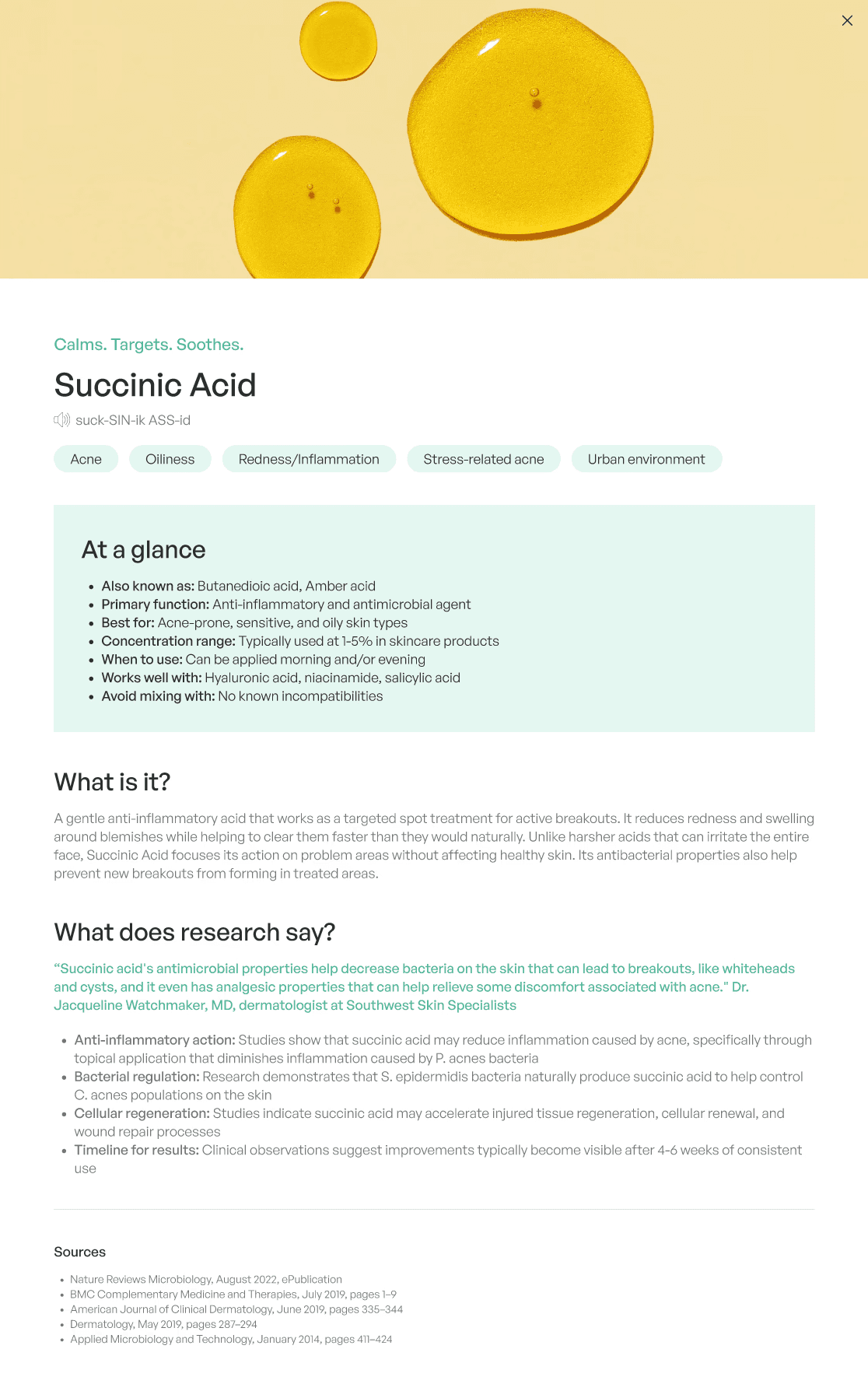
While users liked the simplicity and clarity of the recommendations provided, they indicated that scientific backing and credibility indicators would build confidence in the suggestions.
A
B
C
D
A
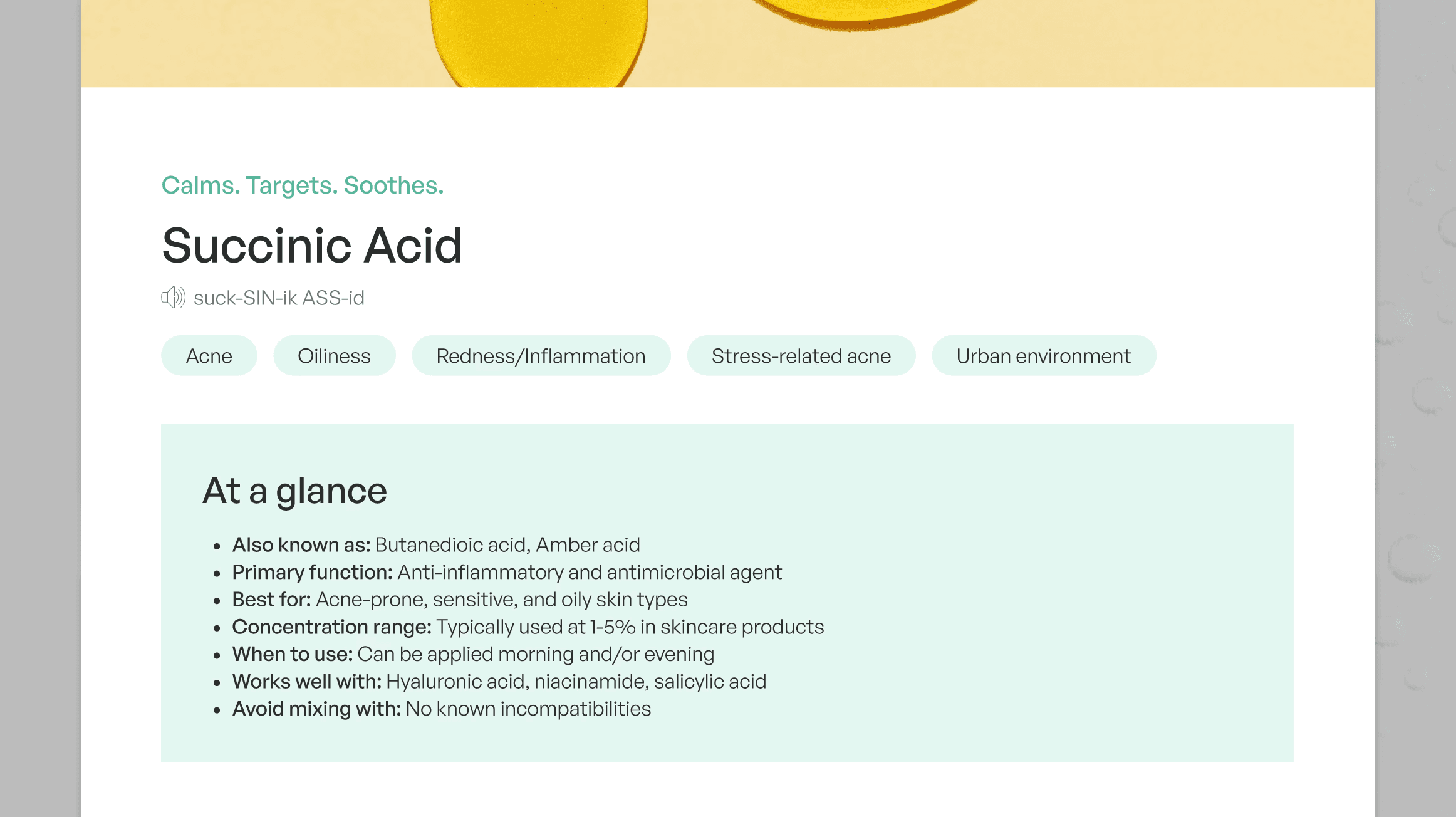
If users are interested in learning more about an ingredient, they can open a detailed card with further information
B
Key details about the ingredient, when and how to use it are provided in a digestible format
C
Scientific evidence about the ingredient is provided in the form of research studies, clinical trials and expert insights
D
Sources add further credibility to the information
While users valued feeling heard and understood, building trust in AI-powered recommendations required transparent scientific evidence they could evaluate themselves.
REFLECTING ON THE PROCESS
Small tweaks towards true personalisation
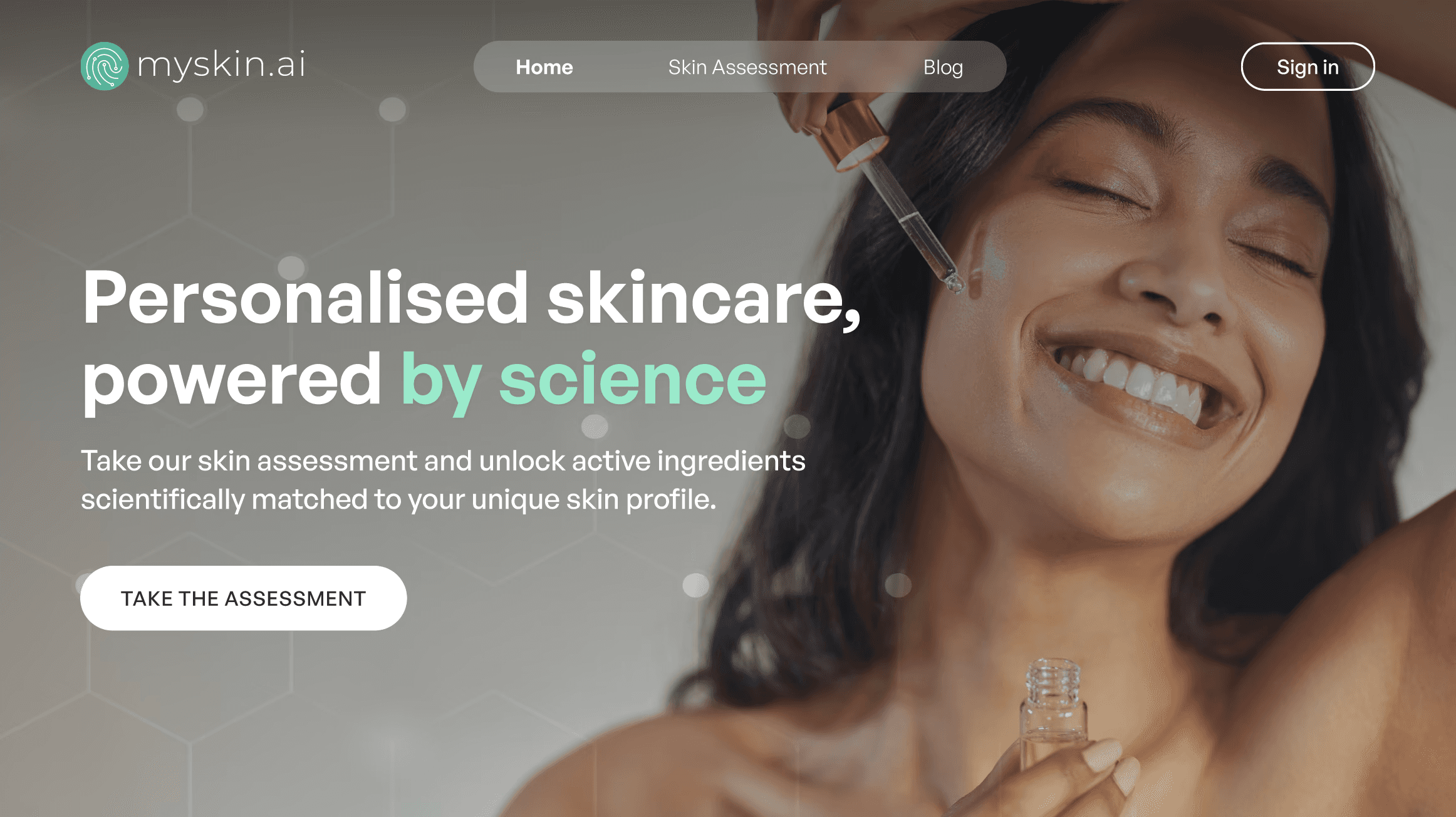
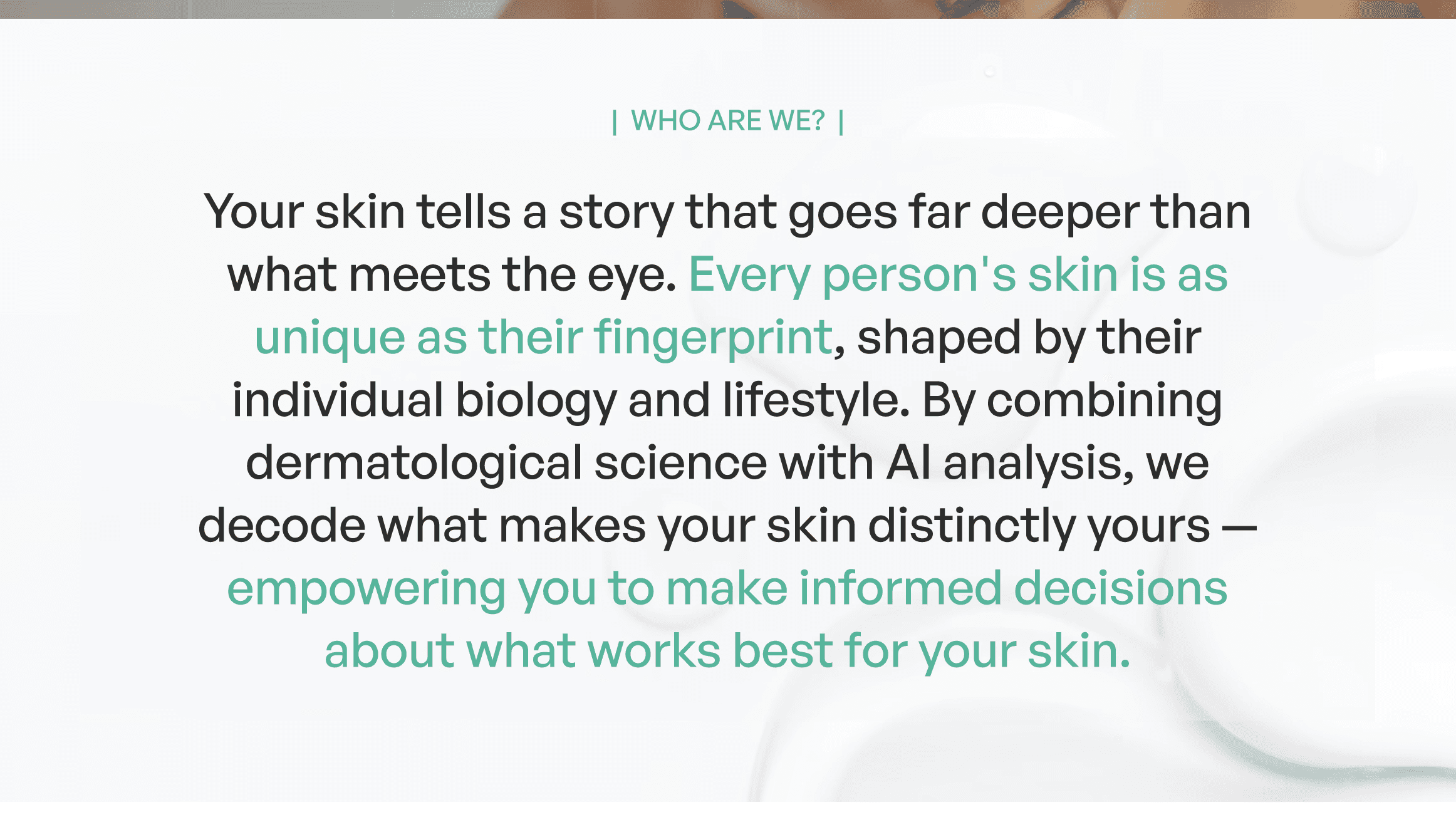
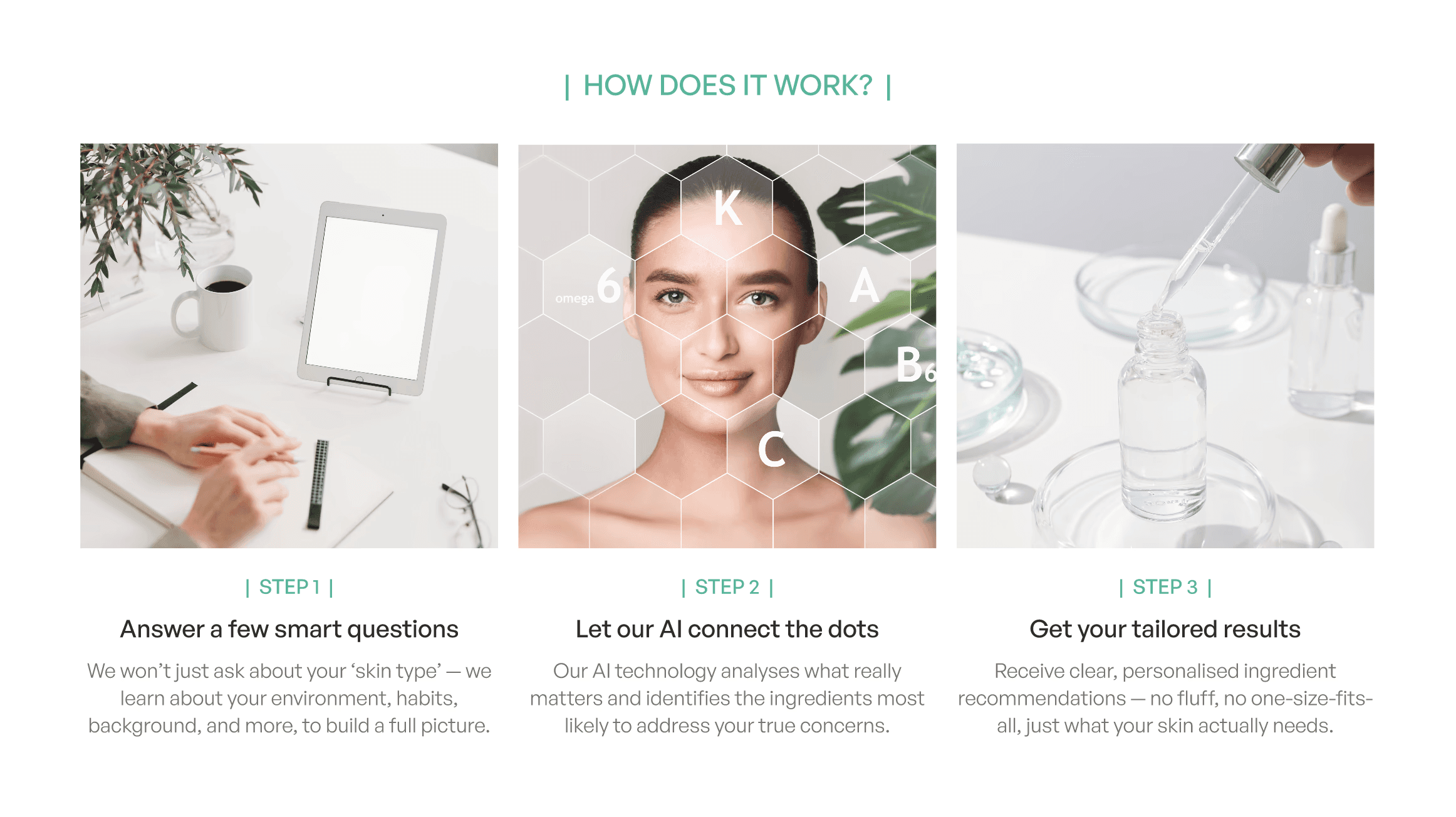
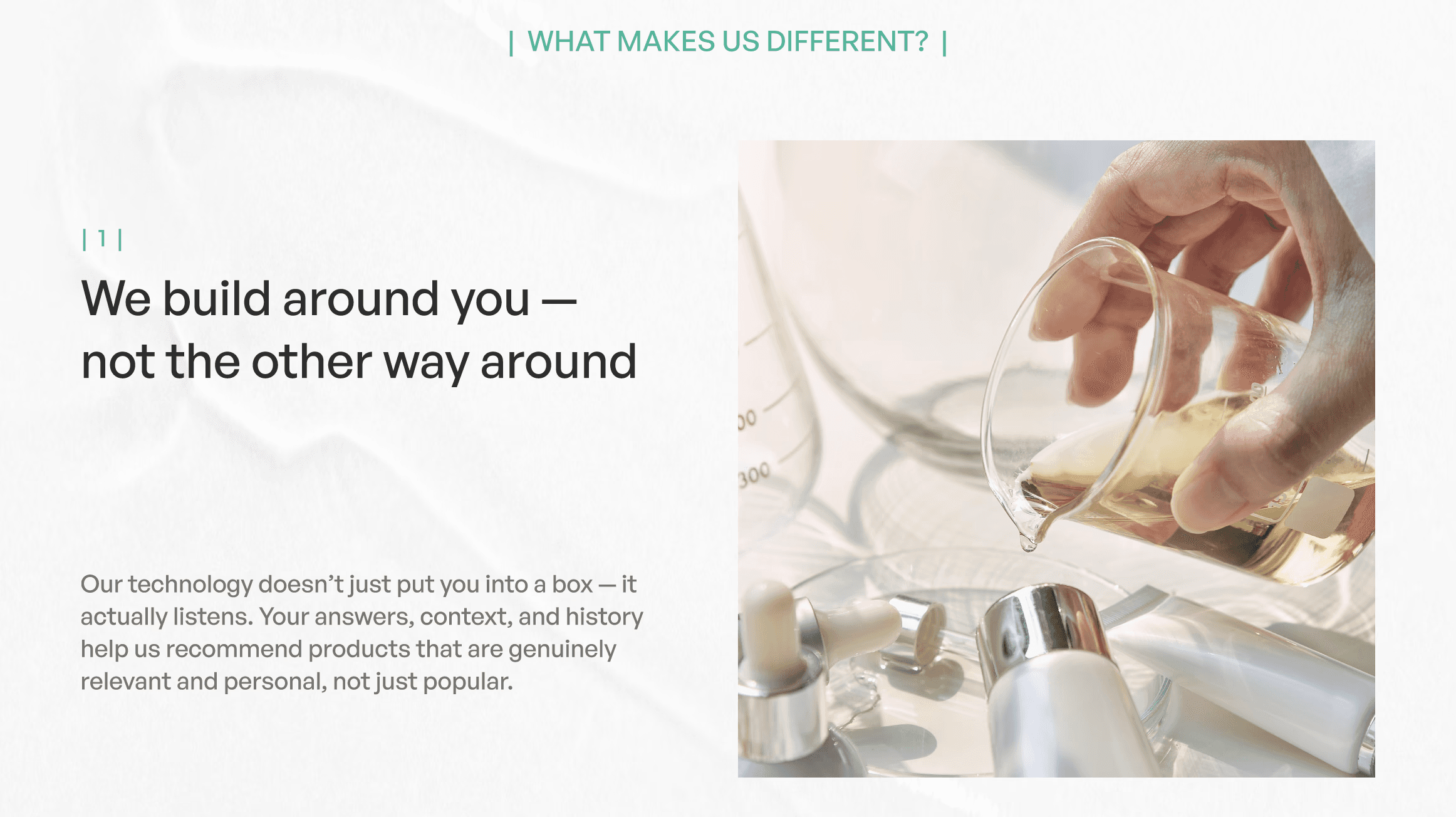
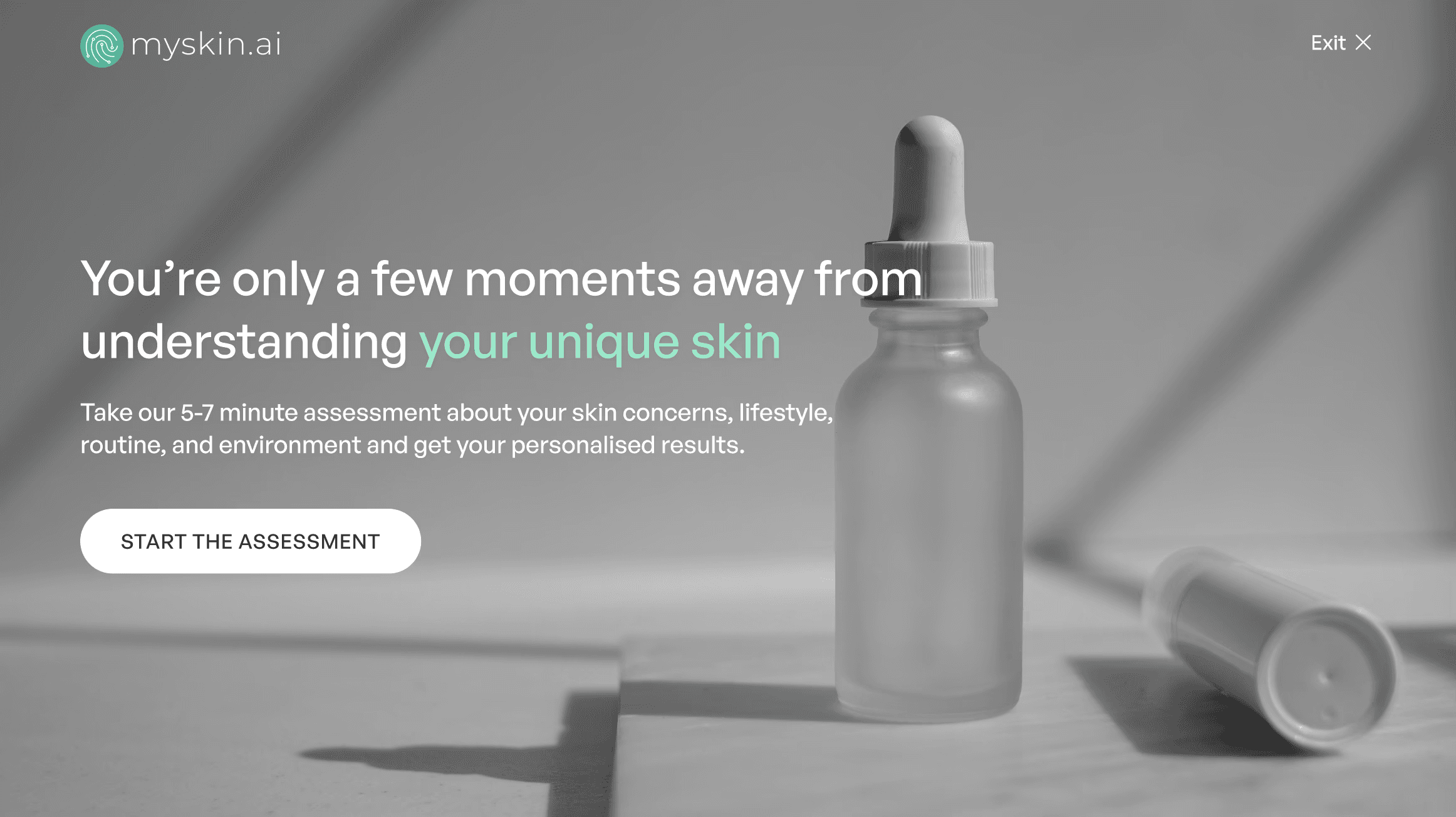
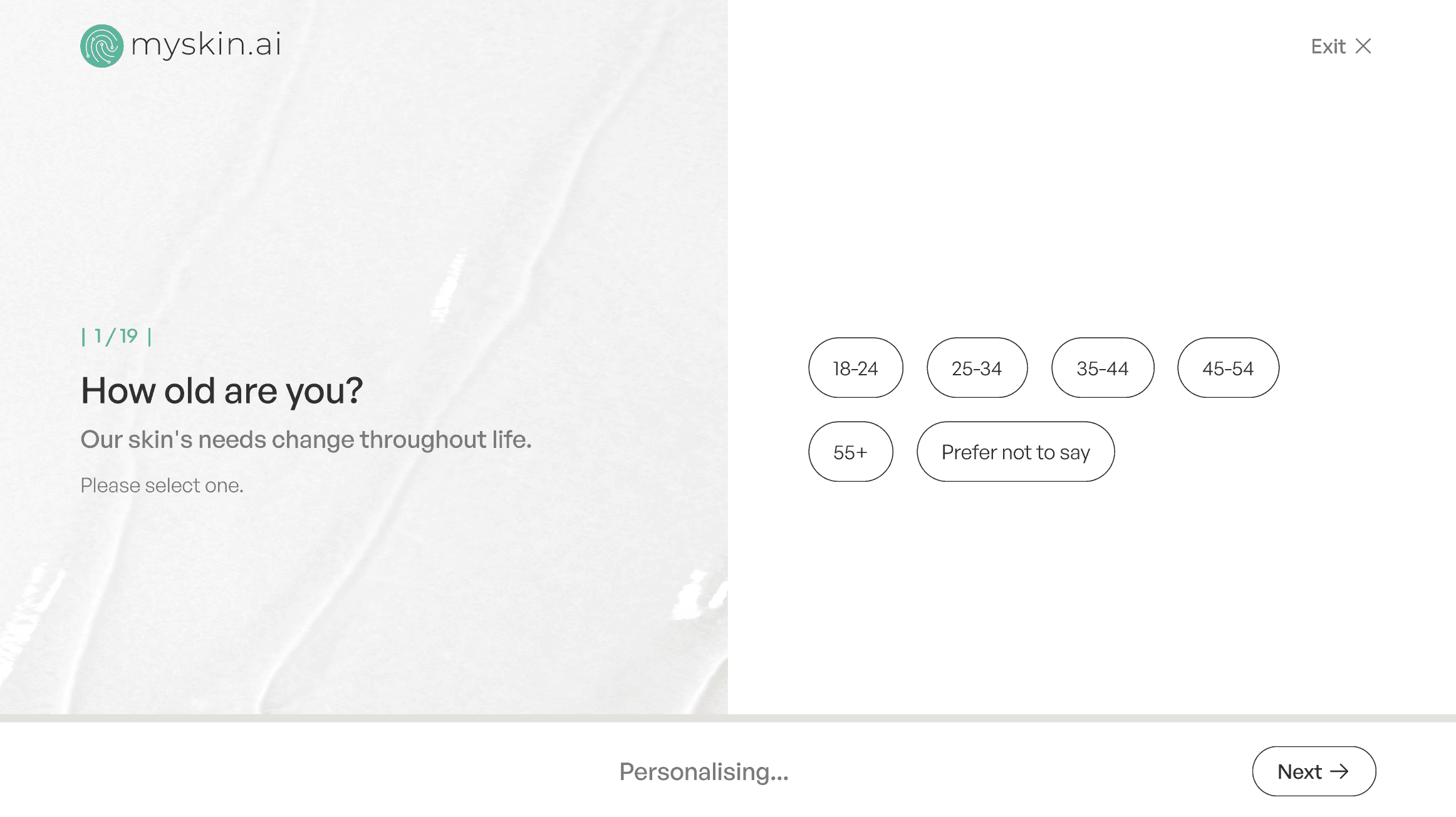
MySkin.ai wasn't vastly different from other question-based assessments, but small tweaks in the way we asked questions, acknowledged their experiences, and presented recommendations helped the experience feel personalised.
1.
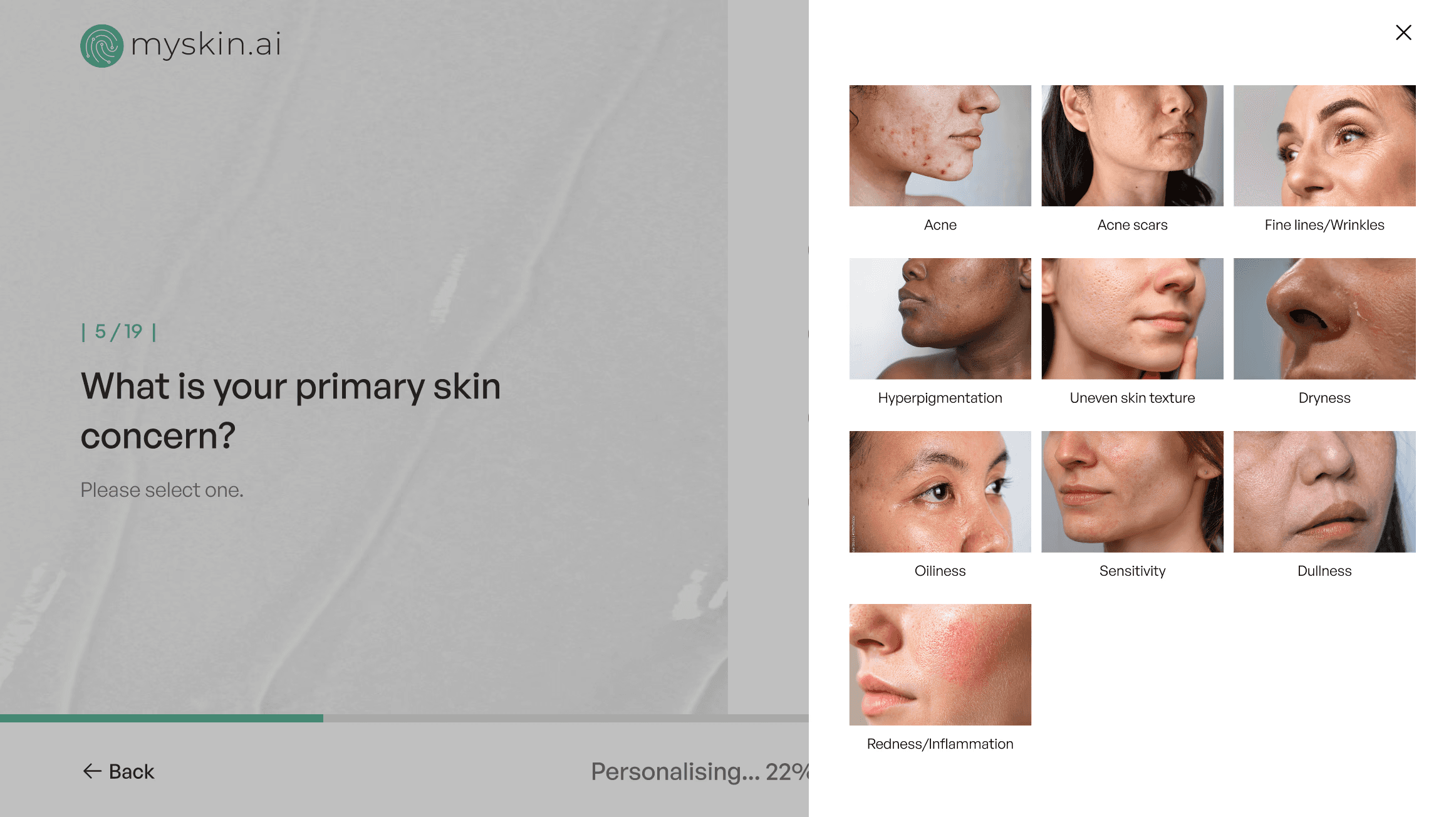
Takes a holistic approach to evaluating each individual's skin
2.
Focuses on educating and empowering users, not just selling to them
3.
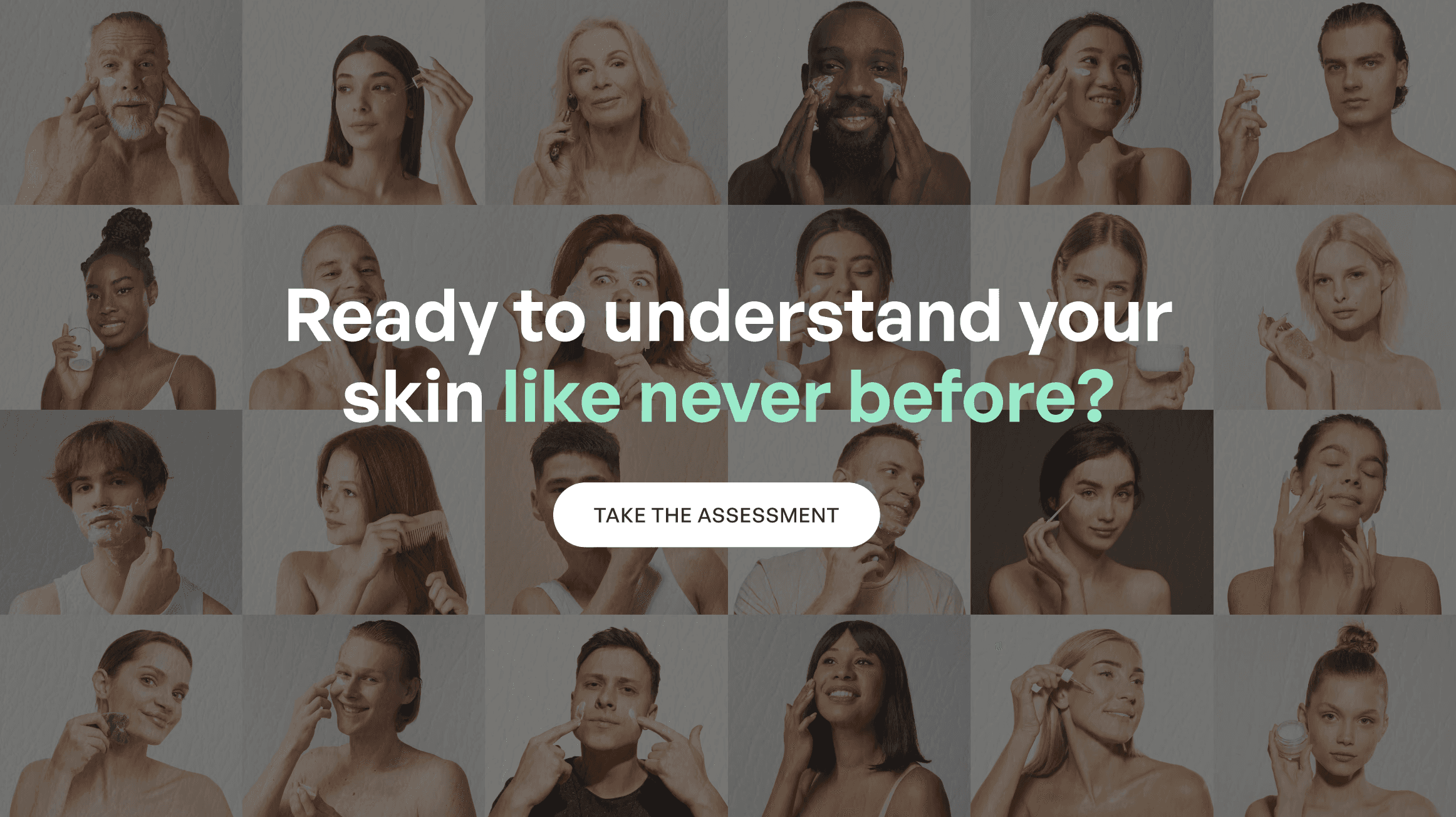
Represents diversity in both questions and recommendations
Final thoughts
This project taught me a lot, especially given that it was my first project with a client. Here are the three key things I took away:
Users aren't blank slates - they come with their own experiences
Balancing perspectives requires constant communication
The UX process should adapt to project requirements
Testing the initial questions as a survey gave us insights that conventional methods wouldn't have revealed (e.g. testing the wireframes)

Since many users research skincare on mobile, I would have specifically tested the mobile version to ensure the assessment worked as well on smaller screens. While the current assessment focused on the most common skin concerns, testing with users who have specific conditions like rosacea or eczema could have revealed additional question needs.